No products in the cart.

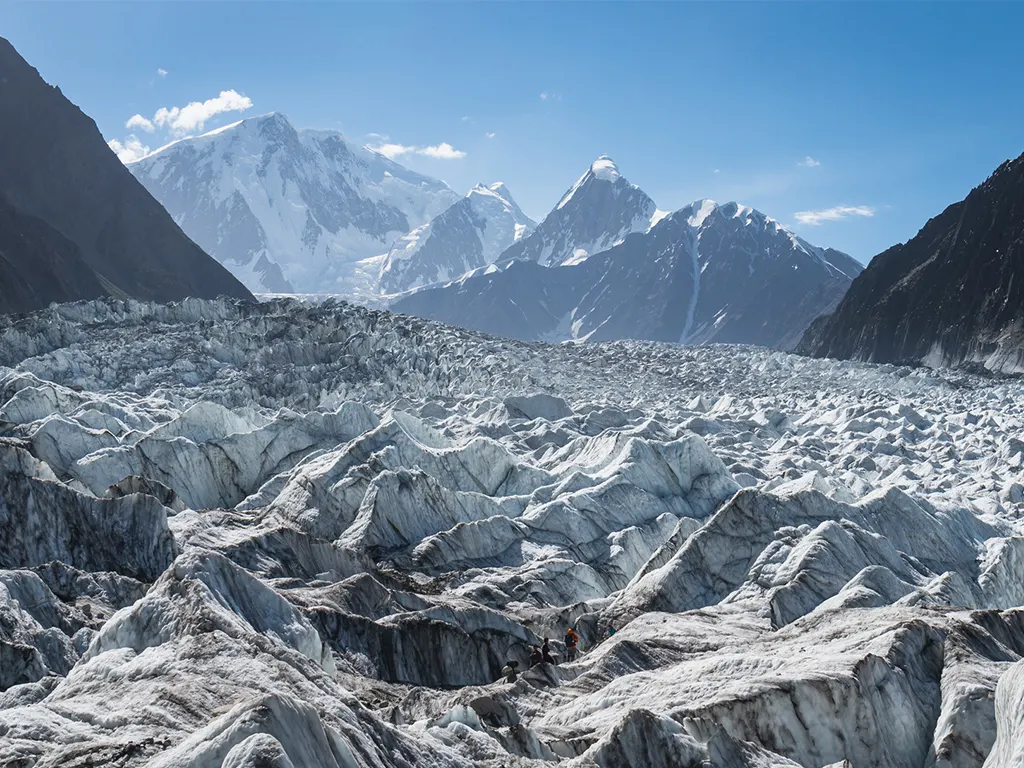
Climate change has become one of the most pressing challenges facing Pakistan today. Although Pakistan contributes less than one percent of global greenhouse gas emissions, it remains among the countries most vulnerable to the effects of global warming and climate change. From devastating floods and melting glaciers to prolonged droughts and extreme heatwaves, the impacts of climate change are increasingly affecting the country’s economy, environment, agriculture and communities.
Understanding the causes, consequences and possible solutions to climate change in Pakistan is essential for building a sustainable future for coming generations.
Climate change refers to long term changes in global temperatures, weather patterns and environmental conditions. Human activities such as burning fossil fuels, industrial emissions, deforestation and unsustainable land use practices have significantly increased greenhouse gases in the atmosphere, leading to global warming.
As global temperatures continue to rise, countries around the world are experiencing more frequent and severe natural disasters, changing rainfall patterns and environmental degradation.
Pakistan’s geographical diversity makes it particularly vulnerable to climate related disasters. The country contains some of the world’s highest mountain ranges, vast river systems, fertile agricultural lands and arid regions that are highly sensitive to environmental changes.
Several factors contribute to Pakistan’s vulnerability:
These factors make climate change impacts more severe and difficult to manage.
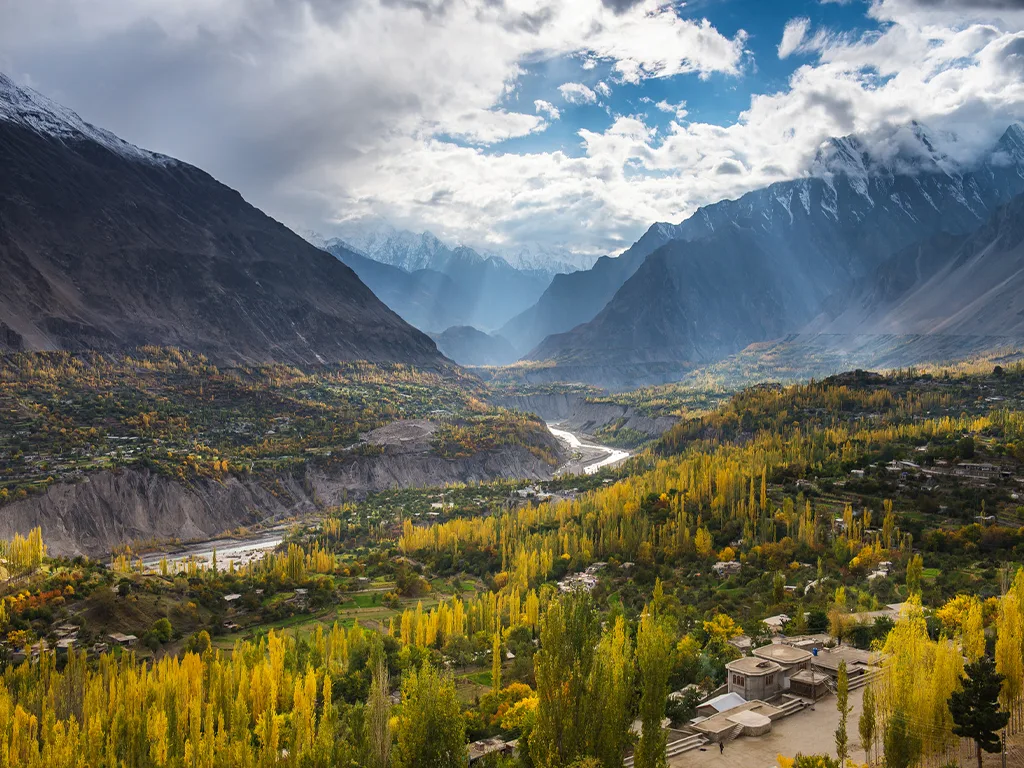
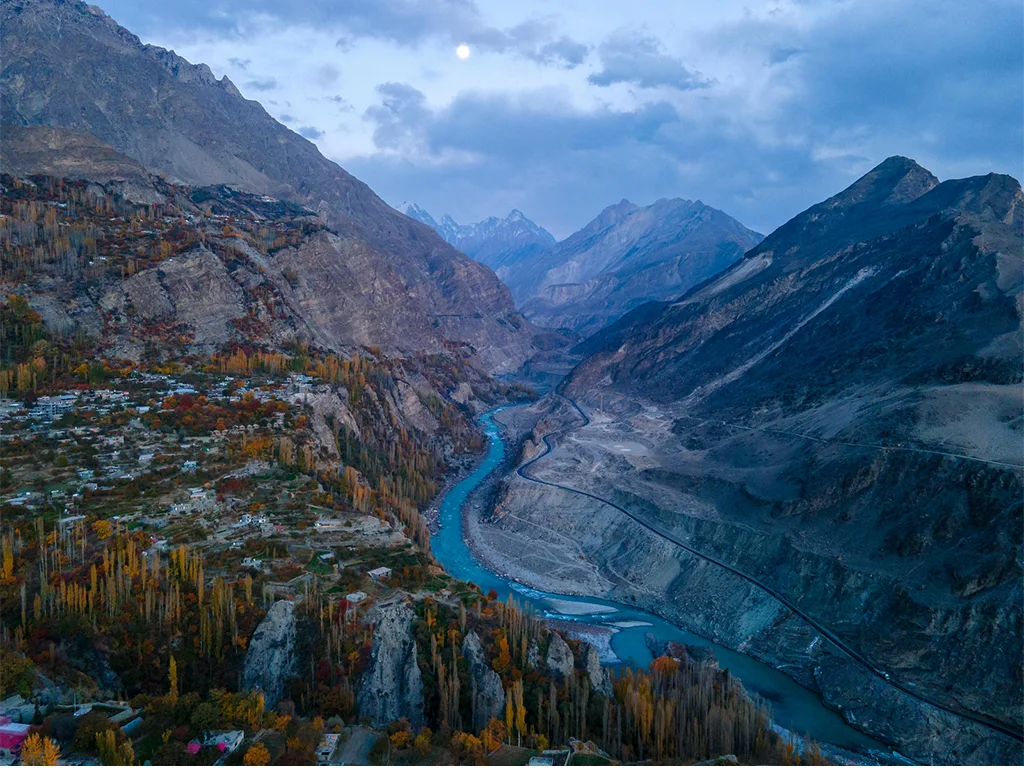
Pakistan is home to thousands of glaciers located in the Karakoram, Himalaya and Hindu Kush mountain ranges. Regions such as Hunza Valley, Gilgit-Baltistan and Chitral depend heavily on glacier-fed water systems.
Rising temperatures are accelerating glacier melting, increasing the risk of:
The rapid melting of glaciers poses a serious threat to both local populations and downstream agricultural areas.
Pakistan has experienced some of the most destructive floods in recent history. Climate change has intensified monsoon rainfall, leading to widespread flooding across various provinces.
Floods result in:
The 2022 floods highlighted the urgent need for climate adaptation and disaster preparedness throughout the country.
Major cities such as Karachi, Lahore, Islamabad and Multan are experiencing longer and more intense heatwaves.
Extreme temperatures can cause:
Scientists predict that heatwaves will become more frequent if global warming continues at its current pace.
Water security is becoming a major concern in Pakistan. Changes in rainfall patterns, glacier retreat and increasing demand for water are putting pressure on the country’s water resources.
Water shortages affect:
Sustainable water management is becoming increasingly important for Pakistan’s future development.
Agriculture is the backbone of Pakistan’s economy and supports millions of livelihoods. However, changing climate conditions are threatening crop productivity.
Farmers are facing:
Climate-smart agriculture practices are essential to ensure food security and protect rural communities.
Climate change is also affecting Pakistan’s tourism industry, particularly in mountain regions.
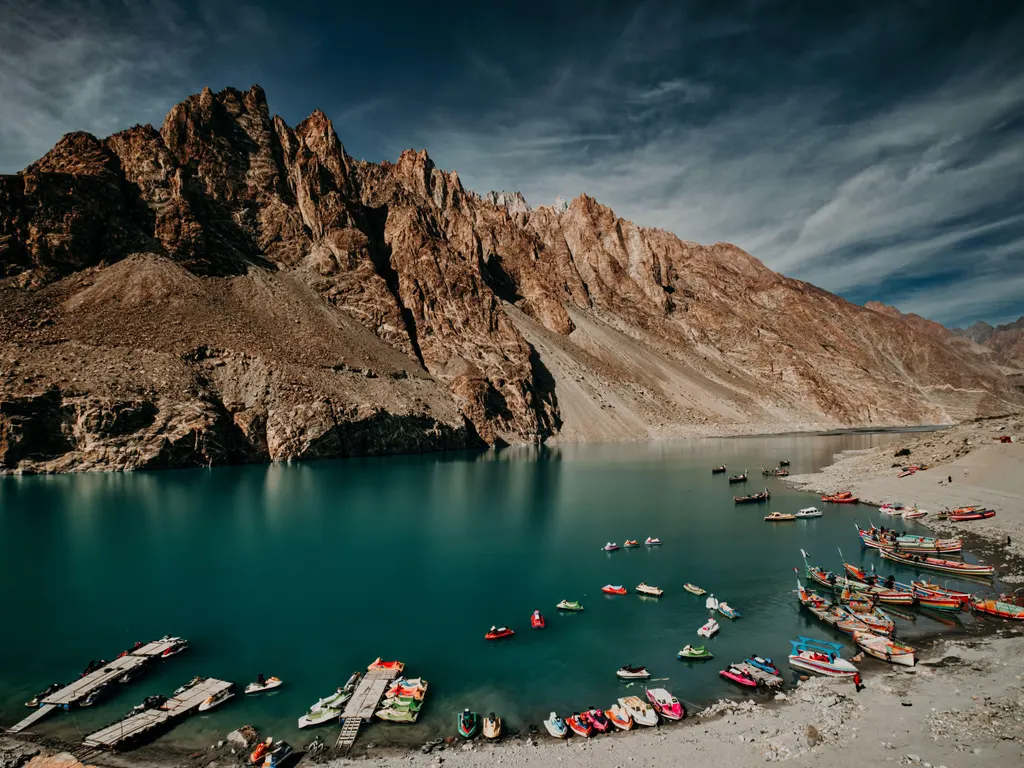
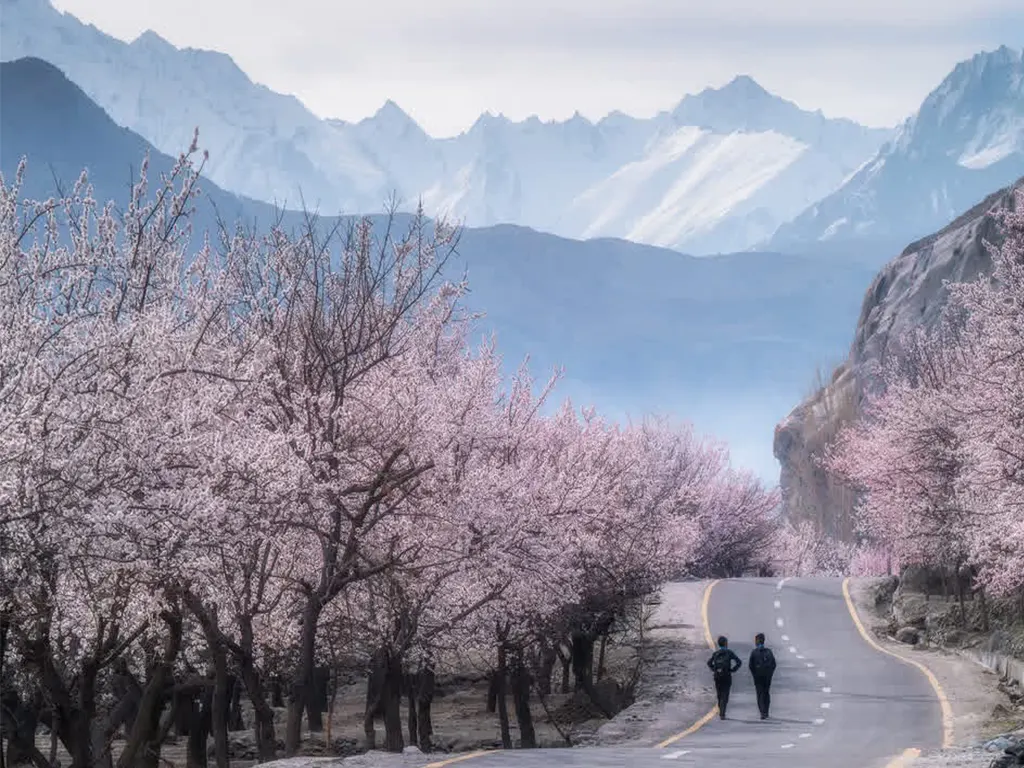
Popular destinations such as Hunza Valley, Skardu, Fairy Meadows, Phander Valley and Passu depend heavily on stable environmental conditions.
Potential impacts include:
Protecting mountain ecosystems is crucial for preserving Pakistan’s tourism sector and natural heritage.
Several domestic environmental challenges are worsening climate related risks:
Forests play a vital role in absorbing carbon dioxide and regulating local climates. Illegal logging and land clearing reduce Pakistan’s natural ability to combat climate change.
Industrial emissions, vehicle exhaust and burning of fossil fuels contribute to poor air quality and greenhouse gas emissions.
Improper waste disposal and open burning release harmful pollutants into the atmosphere and environment.
Addressing climate change requires collective action from governments, businesses, communities and individuals.
Investing in solar, wind and hydropower can reduce dependence on fossil fuels and lower carbon emissions.
Large-scale afforestation and forest conservation programs can help absorb carbon dioxide and restore ecosystems.
Efficient irrigation systems, water storage projects and conservation measures can strengthen water security.
Roads, bridges and urban developments should be designed to withstand floods, heatwaves and other climate related events.
Educating communities about environmental protection and sustainable practices can support long-term climate resilience.
Every citizen can contribute to climate action by:
Small actions at the community level can create meaningful environmental benefits over time.
Climate change in Pakistan is no longer a future concern, it is a present reality affecting millions of people across the country. From glacier melting in the north to floods, droughts and rising temperatures nationwide, the impacts are becoming increasingly visible.
Despite these challenges, Pakistan has significant opportunities to strengthen climate resilience through sustainable development, renewable energy, environmental conservation and community engagement. By taking proactive measures today, the country can protect its natural resources, support economic growth and create a safer future for generations to come.


Explore Beyond Boundaries

