No products in the cart.

 Tariq Hussain
June 20, 2026
Tariq Hussain
June 20, 2026
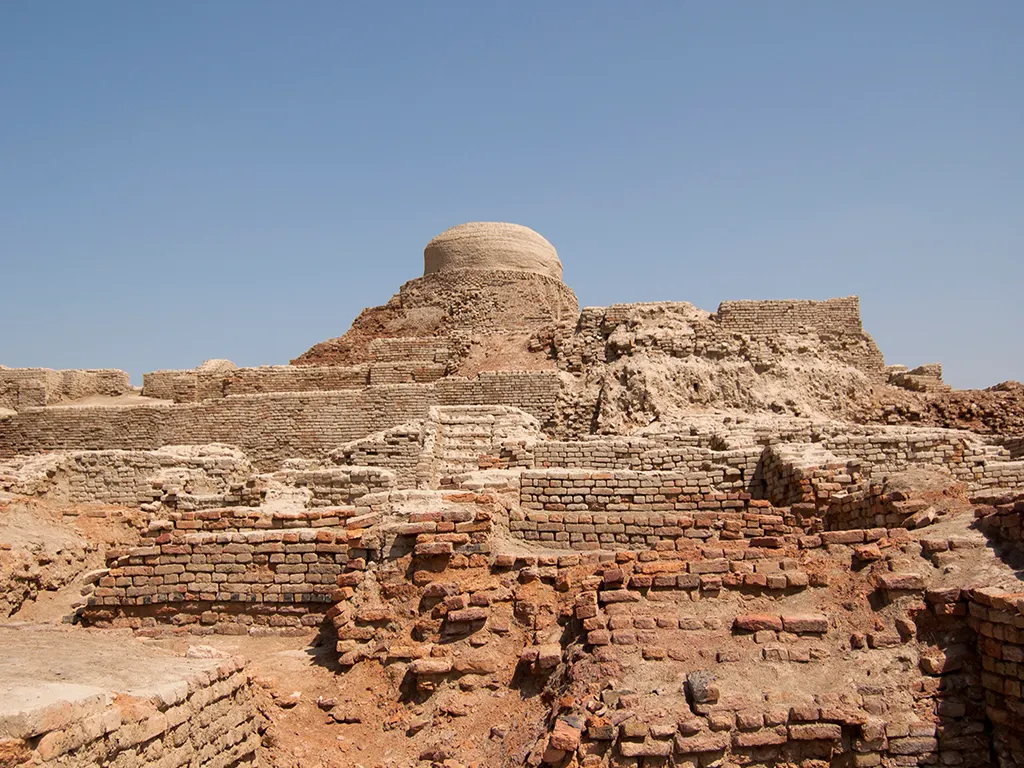


The story of Pakistan does not begin with forts, palaces, or the Mughal era. It begins thousands of years earlier in the remarkable ancient city of Mohenjo-daro. Hidden beneath the plains of Sindh for centuries, this extraordinary city reveals how advanced human civilization was more than 4,500 years ago.
Today, Mohenjo-daro stands as one of the most important archaeological treasures in the world. Its carefully planned streets, sophisticated drainage system, and impressive public buildings continue to amaze historians, archaeologists, and travelers alike. For anyone interested in the history of Pakistan or ancient civilizations, visiting Mohenjo-daro is like walking through the pages of human history.
The name Mohenjo-daro literally means “Mound of the Dead” in the Sindhi language. Despite its mysterious name, the city was once a thriving urban center of the ancient Indus Valley Civilization, one of the world’s earliest and most advanced civilizations.
The city flourished around 2500 BCE, at a time when other great civilizations such as those in Egypt and Mesopotamia were also reaching remarkable heights. However, Mohenjo-daro was unique because of its exceptional urban planning and organized social structure.
Mohenjo-daro is located in the district of Larkana in the province of Sindh, approximately 28 kilometers from Larkana city and around 430 kilometers from Karachi.
Its location near the ancient course of the Indus River played a crucial role in the city’s prosperity. The river provided fertile land, transportation routes, and supported agriculture, trade, and daily life.
Although local communities had long known about the ruins, Mohenjo-daro gained international recognition in the 1920s when archaeologists began systematic excavations.
The discovery completely changed historians’ understanding of South Asian history. Before this excavation, many believed urban civilization in the region began much later. Mohenjo-daro proved that an advanced civilization existed in the Indus region thousands of years earlier.
One of the most astonishing features of Mohenjo-daro is its city planning.
The city was laid out in a grid pattern with:
Every neighborhood had access to water and sanitation facilities, which was a remarkable achievement for an ancient city. Even many medieval cities lacked such advanced infrastructure.
This sophisticated urban planning is one reason why Mohenjo-daro remains one of the greatest archaeological wonders in Pakistan.


The most iconic structure at Mohenjo-daro is the Great Bath, a large water tank constructed with baked bricks and waterproof materials.
Archaeologists believe the Great Bath was used for:
The engineering behind the Great Bath demonstrates the remarkable skills of the Indus Valley people and their understanding of architecture and water management.
Excavations have uncovered numerous artifacts that reveal the lifestyle of its inhabitants.
Archaeologists discovered:
These findings suggest that Mohenjo-daro was a prosperous city with skilled craftsmen, merchants, farmers and traders.
Trade connections extended to distant regions, including ancient Mesopotamia, proving that the city was part of a wider network of commerce and cultural exchange.
One of the greatest mysteries surrounding Mohenjo-daro is why the city was abandoned.
Several theories have been proposed:
Despite decades of research, archaeologists have not reached a single definitive conclusion. This mystery continues to fascinate historians and visitors from around the world.
In 1980, Mohenjo-daro was designated as a Mohenjo-daro by UNESCO.
This recognition highlights its immense historical value and the importance of preserving the site for future generations.
Today, conservation efforts focus on protecting the ruins from:
The ideal time to visit Mohenjo-daro is from October to March, when temperatures are relatively pleasant.
Visitors can comfortably explore:
The cooler weather makes sightseeing more enjoyable and allows travelers to fully appreciate the grandeur of this ancient city.
Mohenjo-daro is not merely an archaeological site; it is a symbol of human ingenuity and one of Pakistan’s greatest historical treasures.
Visiting Mohenjo-daro offers:
Whether you are a history enthusiast, a traveler exploring Pakistan, or simply curious about ancient civilizations, Mohenjo-daro promises a fascinating and inspiring experience.
Mohenjo-daro remains one of the most extraordinary places in Pakistan and among the most important archaeological sites in the world. Its advanced city planning, remarkable engineering and enduring mysteries continue to captivate visitors centuries after its rediscovery.
As you walk through its ancient streets, you do not simply witness ruins you experience the legacy of one of humanity’s earliest and most sophisticated civilizations.