No products in the cart.

 Tariq Hussain
October 9, 2026
Tariq Hussain
October 9, 2026
Pakistan is a country that rewards travellers who take the time to explore it properly. A journey here can begin among the busy streets and historic buildings of Lahore, continue through the green valleys of the north, cross dramatic mountain passes and finish beside the Arabian Sea. Few countries offer such a striking combination of high mountains, ancient civilisations, traditional villages, historic architecture and regional food.
For many international visitors, Pakistan is still an unfamiliar destination. They may recognise the name of K2, have seen photographs of Hunza Valley or heard stories about the Karakoram Highway, but they may not realise how much there is to discover beyond these famous places.
Pakistan is not a destination that can be understood through a single landscape or one short visit. Every region has its own character, traditions, climate and pace of life. In the mountains, villages are shaped by steep valleys and the changing seasons. In the plains, historic cities preserve centuries of architecture, craftsmanship and culinary traditions. In the south, archaeological sites, desert landscapes and coastal communities tell another part of the country’s story.
This guide has been prepared for travellers planning their first visit as well as those who want to return and explore a different region. It covers the main tourist destinations across Pakistan, the best experiences, seasonal advice, transport options, cultural etiquette, food, accommodation and suggested itineraries.
Whether you are interested in photography, history, family holidays, mountain scenery, trekking, road trips or cultural experiences, the key is to choose a route that allows enough time to enjoy each place rather than simply travelling from one landmark to another.
The appeal of Pakistan lies in its variety. Travellers can experience several very different environments within one country, although travelling between them often requires more time than the map suggests.
Northern Pakistan is home to the Karakoram, Himalayan and Hindu Kush mountain systems. The region includes famous peaks, glaciers, alpine lakes, high-altitude plateaus and valleys where traditional village life continues alongside modern tourism.
Hunza, Skardu, Gilgit, Nagar, Astore, Ghizer and Chitral are among the best-known starting points for mountain journeys. Trekking routes range from gentle village walks to demanding expeditions requiring specialist equipment, permits and experienced mountain staff.
Pakistan’s history stretches across thousands of years. The archaeological remains of the Indus Valley Civilisation, Buddhist monasteries, Mughal monuments, historic forts and old trading settlements reveal different periods of the region’s past.
Lahore is particularly rewarding for architecture and food, while Taxila and Takht-i-Bahi are important destinations for travellers interested in Gandharan and Buddhist heritage. Mohenjo-daro offers a remarkable introduction to one of the ancient world’s major urban civilisations.
Travelling through Pakistan offers opportunities to learn about different languages, clothing, music, crafts and regional traditions. The cultural identity of a mountain village in Hunza is not the same as that of a Punjabi city, a Sindhi town or a community in Balochistan.
Many visitors remember conversations with local people as much as the landscapes. A cup of tea, a shared meal or an invitation to learn about a local craft can become an important part of the journey.
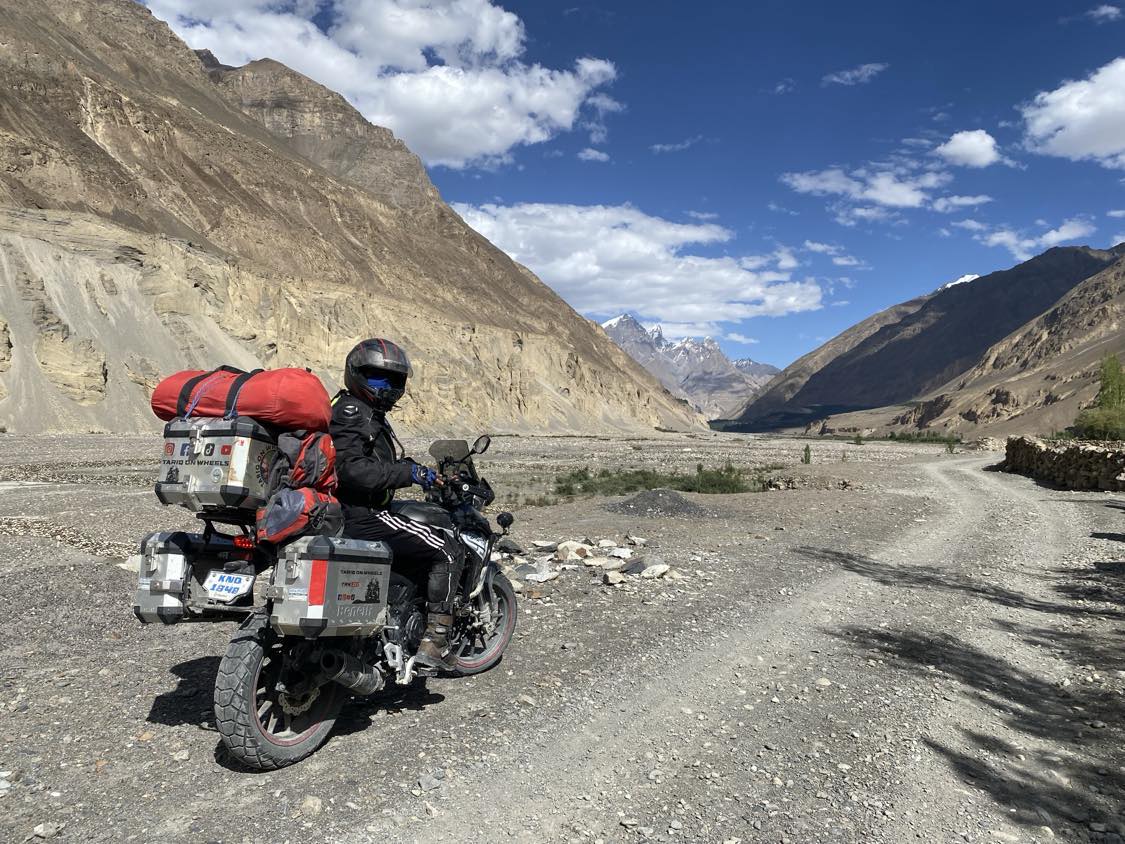
Pakistan is well suited to travellers who enjoy scenic drives. The Karakoram Highway, the routes around Skardu and the roads connecting Chitral with its surrounding valleys offer memorable journeys in their own right.
Adventure options include hiking, trekking, mountaineering, camping, photography, jeep travel, rafting in suitable locations and seasonal snow activities. Choose activities according to your experience and fitness rather than assuming every mountain excursion is suitable for beginners.
Northern Pakistan is often the first choice for travellers drawn to mountain scenery. Gilgit-Baltistan and the surrounding mountain regions contain many of the country’s best-known natural attractions, but distances, road conditions and altitude should be considered when planning a trip.
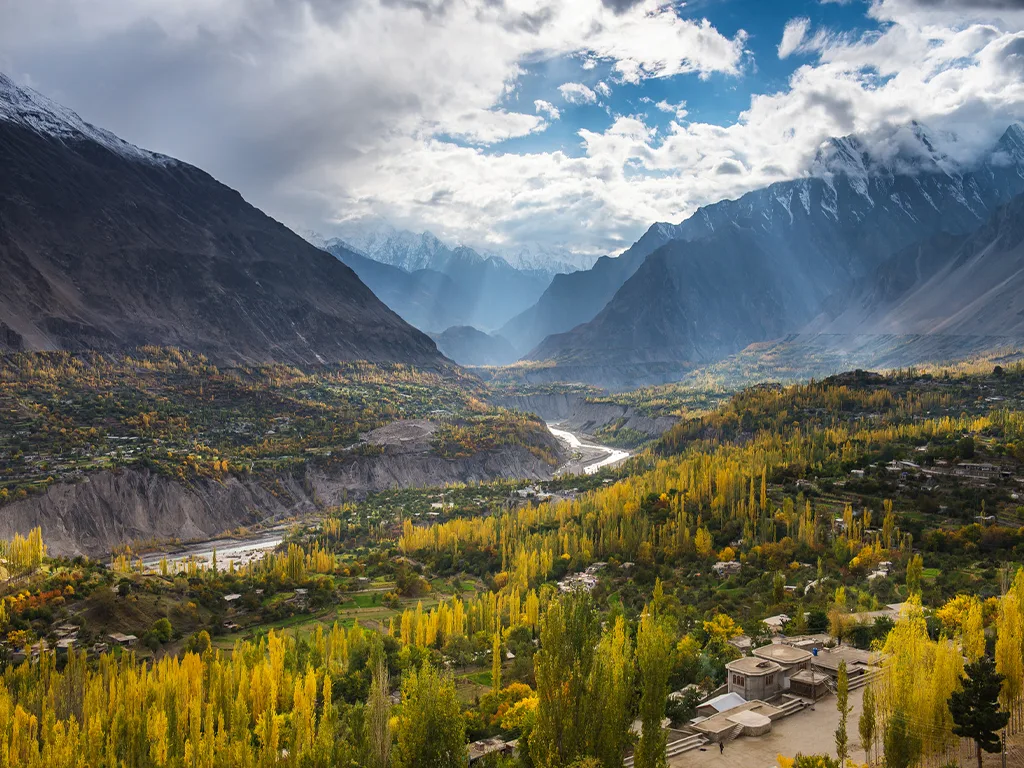
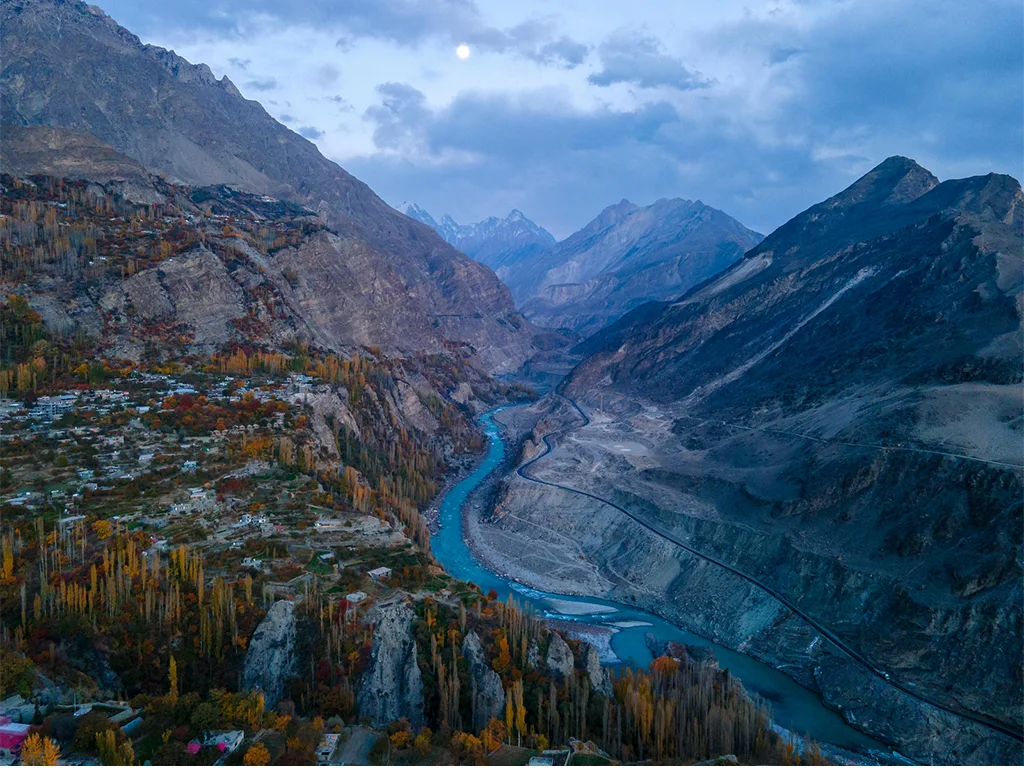
Hunza Valley is one of Pakistan’s most recognisable travel destinations. Its combination of mountain scenery, historic settlements, cultivated terraces and welcoming village atmosphere makes it attractive to photographers, couples, families and independent travellers.
Karimabad is a convenient base for exploring the central part of Hunza. From here, visitors can walk through the old streets, browse local handicrafts, visit historic forts and enjoy views towards Rakaposhi and the surrounding peaks when the weather is clear.
Top places to visit in Hunza:
Visitors with additional time can explore Shimshal Valley, Chipursan Valley and more remote parts of Gojal. These journeys require careful planning and may involve rough roads, limited accommodation and changing access conditions.
Hunza also rewards travellers who slow down. A village walk, a traditional meal, a visit to a local bakery or time spent watching the light change over the mountains can be more memorable than rushing between every attraction.
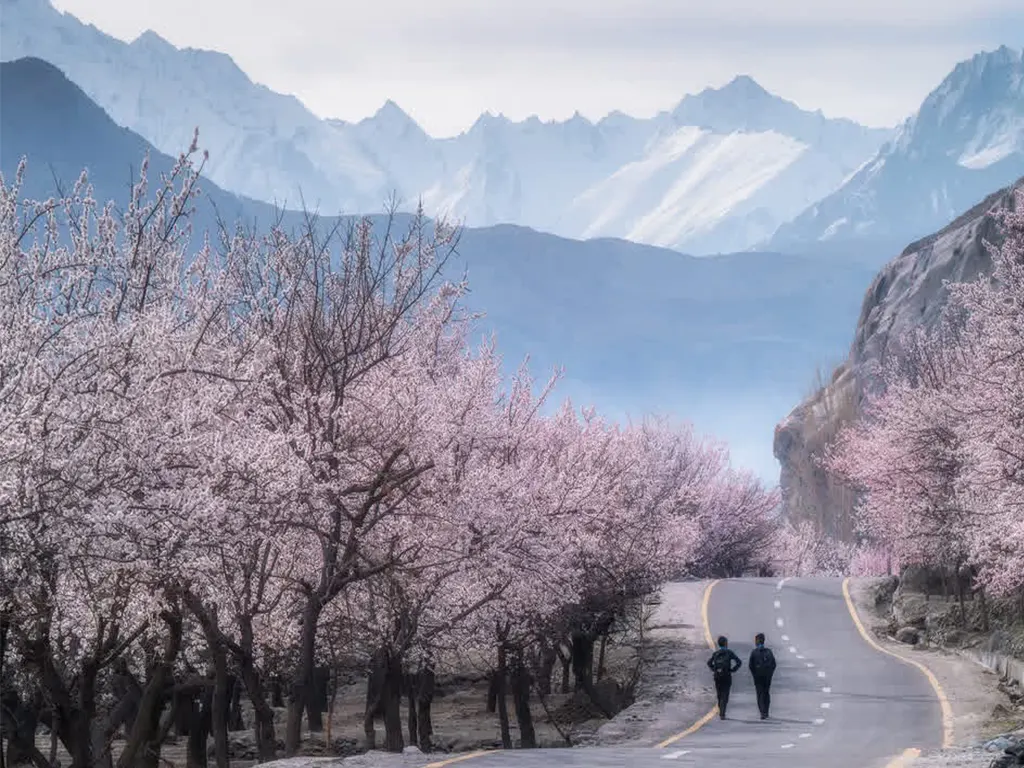
Best time to visit Hunza: Spring is known for blossom, summer brings greener landscapes and access to many mountain routes, and autumn is famous for golden poplar trees and clear mountain views. Winter offers a quieter atmosphere but brings colder temperatures and possible access restrictions.
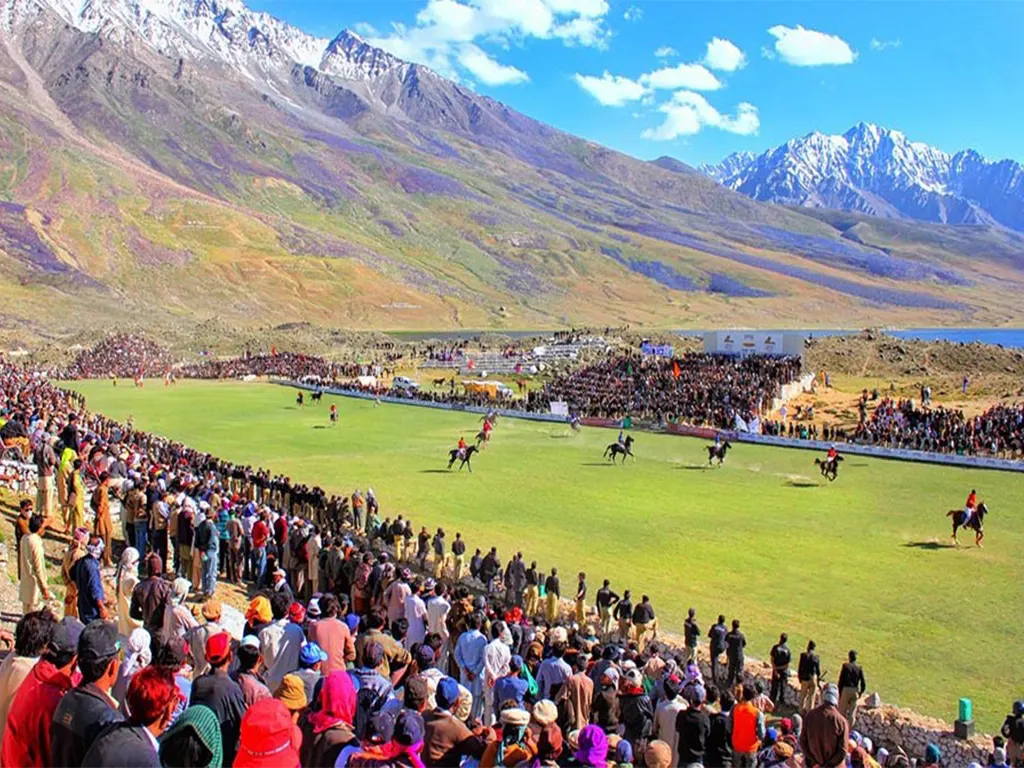
Skardu is a major gateway to the high mountains of Gilgit-Baltistan. It is an excellent destination for travellers who want a mixture of lakes, deserts, forts, village life and dramatic scenery.
The town is also an important starting point for mountaineering expeditions towards K2 and the Baltoro region. Those expeditions are very different from a regular sightseeing holiday and need additional preparation.
Top places to visit in Skardu and the surrounding region:
Skardu is best explored over several days. Driving between attractions can take longer than expected, and some valleys require a full day or more. Travellers who prefer relaxed sightseeing should avoid trying to fit every destination into a very short stay.
Best time to visit Skardu: Late spring through early autumn is generally the main sightseeing period, although the best dates depend on snow, rainfall, road access and altitude. Deosai and high mountain routes have shorter access seasons than the town itself.
Gilgit is an important transport hub and a useful place to understand the wider region. It has long been associated with trade and movement through the mountains.
Places to explore include:
Gilgit is also a practical overnight stop on some road journeys between Islamabad and Hunza or Skardu. Travellers should plan the drive according to the route, road conditions and daylight hours rather than relying on a fixed travel time.
Nagar lies across the Hunza River from parts of central Hunza and offers a different perspective on the same mountain landscape.
Highlights include Hopper Glacier, the Pissan area, views of Rakaposhi and traditional settlements surrounded by steep mountain slopes. Nagar is particularly attractive to photographers and travellers interested in glaciers and less urbanised landscapes.
Some walking routes can be arranged for visitors who want to spend time outdoors without undertaking a demanding expedition. The appropriate route depends on local trail conditions, weather and the traveller’s experience.
Ghizer is an excellent choice for travellers looking for lakes, rivers, green valleys and a slower pace of travel.
Key destinations include:
Ghizer is especially suitable for road-trip travellers who want to spend more time in villages and beside rivers rather than visit only the best-known tourist landmarks.
Astore offers access to green valleys, mountain forests and impressive views of the Nanga Parbat region.
Highlights include Rama Lake, Rama Meadows, the surrounding Astore Valley and routes towards the Deosai plateau, where seasonal access permits. The region can be combined with Skardu or other parts of Gilgit-Baltistan, but road connections and driving times need to be checked carefully.
Fairy Meadows is one of Pakistan’s best-known mountain destinations. It is famous for its grassy landscape and views towards Nanga Parbat, one of the world’s highest mountains.
Reaching Fairy Meadows usually involves a road journey followed by a demanding jeep transfer on a narrow mountain track and a hike. It is not an ordinary roadside sightseeing stop, and visitors should be prepared for uneven paths, changing weather and limited facilities.
The destination is best for travellers who enjoy walking and are comfortable staying in simple mountain accommodation. Anyone with mobility limitations or a fear of heights should discuss the access arrangements carefully before booking.
Chitral offers a distinct cultural and geographical experience in the Hindu Kush region of Khyber Pakhtunkhwa.
Important places include:
The Kalash communities have their own traditions, festivals, clothing and cultural identity. Visitors should approach these places respectfully, ask before taking photographs of people and follow local guidance during festivals or private community events.
Routes into Chitral and its valleys are subject to seasonal weather and road conditions, so confirm the intended route before departure.


Khyber Pakhtunkhwa has a wide range of destinations, from the historic city of Peshawar to the forested valleys of Swat and the mountain landscapes around Dir and Chitral. Travellers should select routes according to current local travel advice, road conditions and the time available.
Swat is known for its rivers, green hills, forests and archaeological heritage. It offers a different atmosphere from the high-altitude deserts and glaciers of Gilgit-Baltistan.
Places worth considering include:
Swat can be particularly appealing in summer when the weather is warmer than in the high mountains, although rainfall can affect roads and river conditions.
The Kaghan Valley is a popular summer destination, especially for travellers seeking rivers, forests, mountain scenery and alpine lakes.
Main attractions include:
This region is highly seasonal. Snow and road closures can prevent access to the upper valley or Babusar Pass outside the main travel period. Check current conditions before planning a connecting road trip.
Kumrat is known for forested landscapes, rivers, meadows and mountain scenery. It is a good option for travellers who enjoy camping, nature photography and outdoor experiences.
Highlights include Kumrat Forest, riverside camping areas, Jahaz Banda and Katora Lake for visitors prepared for the required hike. These higher routes require more time and fitness than a simple valley drive.
Peshawar is one of the region’s most historically significant cities. Its old bazaars, traditional food and architectural heritage make it an appealing destination for travellers interested in urban culture.
Explore the historic Qissa Khwani Bazaar area, traditional markets, local museums and important heritage sites where access is available. Peshawar is also a good place to sample regional dishes and learn about the city’s long history as a centre of trade and movement.
The Buddhist monastic complex of Takht-i-Bahi is an important archaeological destination in Khyber Pakhtunkhwa and a UNESCO World Heritage Site. Its ruins provide a fascinating look at the region’s Buddhist history.
Visitors should allow enough time to explore the complex and arrange transport that fits comfortably within a wider itinerary.
Depending on current travel advice and access, a wider itinerary can also include Dir, Chitral, the Galiyat region, Ayubia National Park, Nathia Gali, Abbottabad and the scenic surroundings of the Hazara region.
Islamabad is a convenient introduction to Pakistan for international travellers. It has broad avenues, green spaces, modern facilities and access to the Margalla Hills.
The city is often used as the starting or finishing point for tours to Hunza, Skardu, Swat and other northern destinations.
Islamabad is a good place to spend one or two nights before a long road journey. It also works well as the final stop for travellers who want to explore the capital before departing Pakistan.
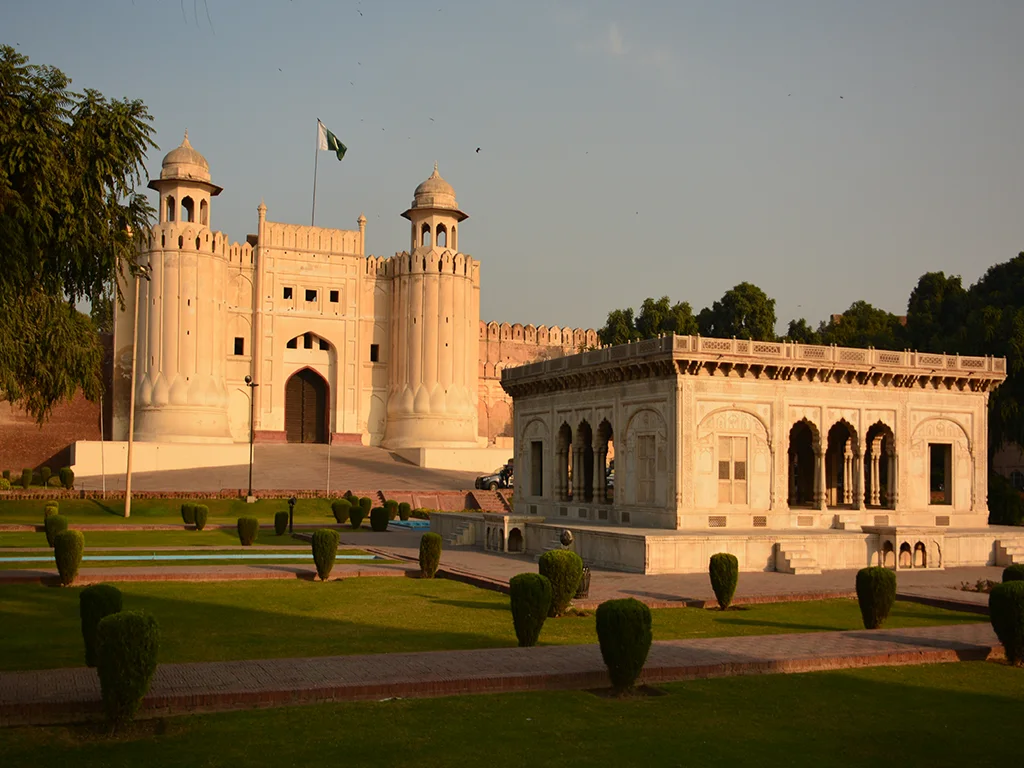
Lahore is one of the country’s most rewarding destinations for visitors interested in history, architecture, shopping and food. Its streets and monuments reveal layers of Mughal, Sikh, colonial and modern history.
A day in Lahore can easily become a full itinerary of its own. Allow time for the old city, a museum or fort visit, and an evening meal rather than trying to see everything in a few hours.
Lahore is also one of the best places to experience Pakistan’s food culture. Depending on the season and personal preference, travellers can try local grilled dishes, karahi, traditional breakfasts, sweets and regional vegetarian options.
Karachi is Pakistan’s largest city and an important commercial and cultural centre. It offers a different perspective from the mountain destinations, with busy neighbourhoods, historic buildings, museums, restaurants and the Arabian Sea.
Karachi is large, so travel between attractions can take significant time. It is best to group sightseeing by area and allow flexibility for traffic.
Depending on time and access, travellers may consider excursions to Makli and Thatta, or longer trips towards the coastal landscapes of Sindh and Balochistan. These destinations should be planned separately rather than added casually to a short city itinerary.
Sindh offers an exceptional journey into Pakistan’s ancient history and regional traditions. It is an especially good region for travellers who want to explore archaeology, Sufi heritage, architecture and traditional towns.
Mohenjo-daro is one of the best-known archaeological sites of the Indus Valley Civilisation. Its remains reveal a sophisticated ancient urban settlement with organised streets, drainage systems and carefully planned structures.
It is a major destination for history lovers, archaeologists and travellers interested in the early development of cities. Visitors should check current site access, opening arrangements and conservation guidance before travelling.
Makli is a vast historic cemetery near Thatta, known for its tombs and distinctive architectural decoration. It is an important stop for travellers interested in the art, history and craftsmanship of Sindh.
Thatta can be combined with other nearby heritage sites on a carefully planned day trip from Karachi.
Often referred to as the Great Wall of Sindh, Ranikot Fort is an enormous fortification set in a rugged landscape. Its remote setting is part of the attraction, but visitors should plan transport, daylight and access arrangements in advance.
Sehwan Sharif is an important religious destination associated with the shrine of Lal Shahbaz Qalandar. Travellers should be respectful of religious practices and follow local guidance, particularly during busy pilgrimage periods.
Hyderabad offers historic neighbourhoods, bazaars, handicrafts and regional food. Depending on the itinerary, travellers can explore additional towns and heritage locations across interior Sindh.
Balochistan has vast landscapes, dramatic coastlines, rugged mountains and distinctive geological formations. It can be an extraordinary destination for experienced road-trip travellers, photographers and visitors interested in natural landscapes.
Because travel conditions and access arrangements can vary considerably, visitors should obtain current local advice before arranging excursions.
Hingol National Park is known for its striking rock formations, arid landscapes, coastal scenery and diverse natural environments.
One of the region’s most photographed features is the rock formation commonly known as the Princess of Hope. The park also contains a range of geological and ecological attractions.
The Makran Coastal Highway offers dramatic views along parts of the Arabian Sea coast. A journey here can include beaches, cliffs and unusual rock formations, but it should be planned with adequate fuel, water, transport and daylight.
Gwadar is a coastal city known for its Arabian Sea setting and nearby headlands. Travellers should confirm which viewpoints and coastal areas are accessible and appropriate to visit.
Kund Malir is a well-known beach destination along the Makran Coastal Highway. It is best visited as part of a properly organised coastal journey, with advance preparation for limited services in remote stretches.
Quetta is the provincial capital and a base for exploring parts of inland Balochistan. Ziarat is known for its juniper forests and cooler mountain setting. Access, accommodation and local travel advice should be checked before finalising a route.
Depending on current access and local guidance, travellers may research the Chiltan area, Hanna Lake, the landscapes around Ziarat and additional coastal or inland destinations. Not every location is suitable for an independent visit, and routes should be assessed individually.
Azad Jammu and Kashmir, commonly called AJK, offers green mountain valleys, rivers, forests and lakes. It can be an excellent choice for visitors who enjoy scenic drives and nature-based holidays.
Muzaffarabad is the region’s principal city and a starting point for exploring nearby valleys. Visitors can explore local markets, viewpoints and historic landmarks where access is available.
Neelum Valley is known for its river scenery, green hills, forests and mountain settlements. Popular destinations include:
Visitors should not assume all upper-valley roads remain open throughout the year. Rain, landslides and winter conditions can affect access.
Additional destinations include Rawalakot, Banjosa Lake, Toli Pir, the Leepa Valley and surrounding mountain areas, subject to access and local advice.
Punjab contains much more than its provincial capital. Its historic cities, religious sites, forts and archaeological locations can be combined into a cultural road trip.
Taxila is an important archaeological area associated with ancient Gandharan civilisation. Its archaeological remains and museum are valuable stops for travellers interested in Buddhism and early South Asian history.
Rohtas Fort near Jhelum is a major historic fortification and a UNESCO World Heritage Site. Its gates, walls and defensive architecture make it an appealing destination for history and photography.
Multan is known for its shrines, traditional crafts, blue pottery and distinctive cultural heritage. It is an excellent destination for visitors interested in Sufi traditions and historic architecture.
Bahawalpur is a base for exploring historic palaces and the nearby desert region. Highlights include Noor Mahal and journeys towards the Cholistan Desert and Derawar Fort, subject to access and travel arrangements.
Depending on the route, travellers can consider Faisalabad, Gujranwala, Sialkot, Sahiwal and other cities for specific cultural, family or historical interests. These are not all standard sightseeing destinations, so each stop should be selected for a clear reason.
Pakistan offers activities for a wide range of interests. A well-designed trip combines the experiences that matter most to the traveller instead of attempting every possible activity.
The mountains around Hunza, Nagar, Skardu and Astore provide remarkable opportunities for landscape photography. Sunrise, sunset, autumn foliage and changing weather can transform the same viewpoint within minutes.
Walking through traditional villages is an excellent way to learn about regional architecture, farming, local food and daily life. Visitors should respect private property and ask permission before photographing people or entering homes.
Options range from short walks around Hunza and Nagar to multi-day routes in Fairy Meadows, the Karakoram and the Hindu Kush.
Choose a trek based on elevation, distance, trail condition, weather and fitness. High-altitude expeditions require specialist preparation and should never be treated as ordinary sightseeing excursions.
Lahore, Taxila, Takht-i-Bahi, Mohenjo-daro, Makli and Rohtas Fort are among the destinations that can form a strong heritage itinerary.
The Karakoram Highway and selected routes through Swat, Kaghan, Skardu and the western mountain valleys offer memorable journeys. Road conditions can change, and realistic daily distances are more useful than trying to cover the greatest possible distance.
Food is an important part of travelling in Pakistan. A local guide can help visitors discover regional specialities, suitable restaurants and options that meet dietary requirements.
Pakistan’s national parks, high mountain plateaus, wetlands and coastal areas support a wide range of wildlife. Responsible wildlife viewing should prioritise animal welfare, safe distances and protection of natural habitats.
Food varies considerably by region, so travellers should treat the following list as a starting point rather than a complete representation of the country’s cuisine.
Travellers with vegetarian, vegan, allergy-related or other dietary requirements should explain them clearly when booking and ordering. In remote mountain areas, restaurant variety can be limited, so advance planning is useful.
Pakistan has several climate zones, so there is no single best travel season for every destination.
Spring is attractive for blossom in parts of northern Pakistan, milder temperatures in many cities and green landscapes in several valleys.
The exact blossom period varies by altitude, weather and location. Travellers should avoid treating a specific calendar date as a guarantee of peak bloom.
Summer is generally the main season for many high mountain destinations, with access to a number of valleys, lakes and trekking routes.
Some lower-altitude cities become extremely hot, and monsoon rainfall can affect parts of the country. Check local weather and road conditions before travelling.
Autumn is especially popular for photography in Hunza and other parts of Gilgit-Baltistan, where poplar trees and other foliage can turn golden.
The timing varies from year to year. Higher-altitude destinations can become cold early, and some roads or attractions may become inaccessible as winter approaches.
Winter offers a different experience, with snow-covered scenery in selected mountain destinations and a quieter atmosphere in some areas. However, road closures, heavy snowfall and limited services can affect travel.
Lahore, Karachi and other lower-altitude destinations may be more comfortable for cultural sightseeing during the colder months, depending on weather and air quality.
Pakistan is too large to explore properly in a single short holiday. The best itinerary depends on the arrival city, interests, season and willingness to travel by road or domestic flight.
A route covering Hunza, Skardu, Lahore and Karachi involves considerable distances. Domestic flights can help, but schedules may be limited and weather disruptions are possible. Avoid planning a tight international flight connection immediately after a remote-area journey.
Days 1–2: Islamabad
Arrive, rest after the international journey and explore the capital’s principal landmarks.
Days 3–5: Hunza Valley
Travel towards Hunza by road or use an available domestic flight to Gilgit followed by a road transfer. Explore Karimabad, Baltit Fort, Altit Fort, Attabad Lake and the Passu area according to available time.
Days 6–7: Return journey
Travel back according to the chosen transport arrangements. Allow a buffer if returning by road or if a domestic flight is essential.
This itinerary is a compact introduction rather than an exhaustive tour. The actual balance of sightseeing and driving will depend on the transport schedule.
Days 1–2: Arrive in Islamabad and travel towards the north.
Days 3–5: Explore Hunza, including historic forts, village walks, Attabad Lake and Passu.
Day 6: Travel towards Gilgit and continue to Skardu if road and timing conditions make this realistic; otherwise allow a separate travel day.
Days 7–9: Explore Skardu, Lower Kachura Lake, Sadpara Lake, Katpana Cold Desert and Shigar or Khaplu according to the route.
Day 10: Return according to the confirmed flight or road arrangements.
For a more relaxed holiday, add extra nights rather than squeezing every attraction into the same itinerary.
Days 1–3: Lahore, including the Walled City, Lahore Fort, Badshahi Mosque and local food experiences.
Day 4: Travel to Islamabad.
Days 5–6: Islamabad and selected nearby heritage attractions, such as Taxila.
Days 7–10: Hunza Valley and the Karakoram Highway region.
Days 11–12: Gilgit or a suitable additional valley, depending on road access.
Days 13–14: Return to Islamabad and depart, allowing flexibility for transport changes.
This route is best adapted to the season and transport availability. If Skardu is a priority, a longer trip may be needed to include it without rushing.
A three-week trip can combine cultural cities, mountain landscapes and selected southern destinations.
Days 1–3: Karachi and nearby cultural attractions.
Days 4–6: Travel to Lahore and explore Mughal heritage and local food.
Days 7–8: Islamabad and Taxila.
Days 9–13: Hunza, including Karimabad, Attabad Lake, Passu and nearby villages.
Days 14–17: Skardu and selected surrounding valleys.
Days 18–19: Return towards Islamabad with suitable transport buffers.
Days 20–21: Rest, explore any remaining city attractions and depart.
Because the itinerary covers substantial distances, it should be finalised around actual transport schedules. A specialist may recommend changing the order, reducing the number of regions or adding nights to protect the quality of the experience.
Visa requirements depend on nationality, passport type, purpose of visit and current government policy. Check the official Pakistan visa portal and relevant government guidance before making non-refundable arrangements.
Use the official portal at visa.nadra.gov.pk where applicable, and verify any additional entry requirements that apply to your trip.
Islamabad is a common gateway for journeys to the north. Domestic flights to destinations such as Gilgit and Skardu can save considerable road time, but schedules, baggage limits and weather-related disruptions need to be considered.
Road journeys can be scenic but long. Ask for realistic driving estimates and keep flexibility in your itinerary, particularly when travelling through mountain areas.
Accommodation ranges from international-standard hotels in major cities to comfortable guesthouses and smaller mountain hotels.
In remote valleys, facilities may be simpler and room availability more limited. Confirm heating, hot water, bathroom facilities, meals and accessibility according to your needs.
Modest, practical clothing is generally a good choice. In religious sites, follow posted dress requirements and remove footwear where requested.
Ask permission before photographing people, especially children, religious ceremonies or private spaces. Respect local customs and follow guidance from your host or guide.
Keep some local currency available for small purchases, local transport and remote areas. Payment methods differ by business and destination, so do not assume every hotel, restaurant or shop accepts international cards.
Mobile coverage varies by location, and remote valleys may have limited or unreliable service. Ask your accommodation or tour operator about network coverage and available connectivity before travelling.
Travellers visiting high-altitude destinations should understand the risks of altitude sickness and plan a gradual ascent when appropriate. Seek professional medical advice before high-altitude travel if you have relevant concerns, and descend and seek help if serious symptoms develop.
Carry personal medication, sun protection, suitable footwear and clothing for changing weather.
Conditions can change between regions and even between neighbouring valleys. Check current official travel advisories, road closures, weather forecasts and local instructions before departure.
Use experienced local operators for remote destinations, high mountain routes and activities requiring specialist equipment or permits.
Travel can support local communities when visitors make thoughtful choices. Staying in locally owned accommodation, hiring qualified local guides, buying crafts directly from artisans and eating at local restaurants can help spread tourism income.
Keep rubbish out of rivers, lakes and mountain trails. Avoid disturbing wildlife, damaging fragile landscapes or leaving marked routes without suitable preparation.
In culturally sensitive places, follow local photography rules and ask before documenting ceremonies or private community life. Responsible travel is not only about protecting the environment; it is also about respecting the people who call these places home.
A successful trip to Pakistan starts with an itinerary that matches your interests, available time, travel style and comfort level.
At Hunza Venture Treks & Tours, we arrange customised travel experiences across Pakistan for international visitors. Our services include private sightseeing tours, cultural and heritage journeys, mountain road trips, trekking, expeditions and motorbike adventures.
Depending on the route and requirements, a private tour can include transport, accommodation arrangements, an English-speaking guide, sightseeing, selected meals and local experiences. The final services should be agreed clearly before booking.
We believe that a good itinerary should leave room to enjoy a destination rather than simply tick off a list of attractions. Some travellers want to photograph the Karakoram at sunrise. Others prefer historic cities, local food, short hikes or conversations with people in the villages they visit. A carefully planned journey can bring these interests together without making every day unnecessarily demanding.
If you are planning your first trip to Pakistan, tell us when you would like to travel, how many days you have, how many people will be joining and which destinations interest you most. We can help you develop a route that fits your priorities and the conditions expected during your visit.
Explore Pakistan with Hunza Venture Treks & Tours.
Website: https://hunzaventure.com/
Email: hunzaventurepk@gmail.com
Email: info@hunzaventure.com
Phone/WhatsApp: +92 314 4483337
Pakistan offers mountain scenery, historical cities, archaeological sites, regional cuisine and cultural experiences. As with any destination, visitors should research current travel conditions and plan routes appropriate to their interests and circumstances.
Hunza Valley, Skardu, Islamabad, Lahore, Swat, Chitral and selected heritage sites are good starting points. The right combination depends on the season, available days and preferred activities.
Seven to ten days can provide a useful introduction to one region. Two weeks allows a more varied itinerary, while three weeks or longer gives travellers more opportunity to combine distant regions without rushing.
Spring is popular for blossom, summer for access to many mountain destinations and autumn for golden foliage. Exact conditions vary from year to year.
Yes, they can be combined in one itinerary. However, road travel between regions takes time, and the route should be planned around current road conditions and available flights.
Many destinations are suitable for family travel when the itinerary is designed around children’s ages, comfort and interests. Families should consider road travel times, accommodation facilities, weather and access to medical services.
Independent travel is possible in some areas, but remote mountain regions, restricted locations and certain activities may require additional planning, permits or local support. Check current regulations and official advice.
Pack according to the season and regions you plan to visit. Comfortable walking shoes, layered clothing, sun protection, personal medication and modest clothing for cultural sites are useful starting points. Mountain destinations can be much colder than major cities.
A guide is not essential for every city or attraction, but an experienced local guide can add cultural context, simplify logistics and improve safety on remote routes and hikes.
Yes. Private itineraries can be planned around your dates, interests, group size and preferred level of comfort. Contact Hunza Venture Treks & Tours to discuss your route and requirements.
Pakistan is best experienced with curiosity, realistic planning and an appreciation for its regional diversity. The mountain scenery of Hunza and Skardu, the historic streets of Lahore, the archaeological heritage of Sindh, the forests of Swat and the coastal landscapes of Balochistan each reveal a different part of the country.
Rather than attempting to see everything in one visit, choose a route that gives you time to understand the places you encounter. Leave room for unexpected viewpoints, local meals, village walks and the small moments that often become the strongest memories of a journey.
With the right preparation and a thoughtfully designed itinerary, Pakistan can offer a deeply rewarding travel experience—from the high mountains of the north to the historic cities and coastlines of the south.

Hunza Valley and Baltit Fort
Place after the Hunza Valley introduction: Baltit Fort overlooking Karimabad in Hunza Valley Pakistan

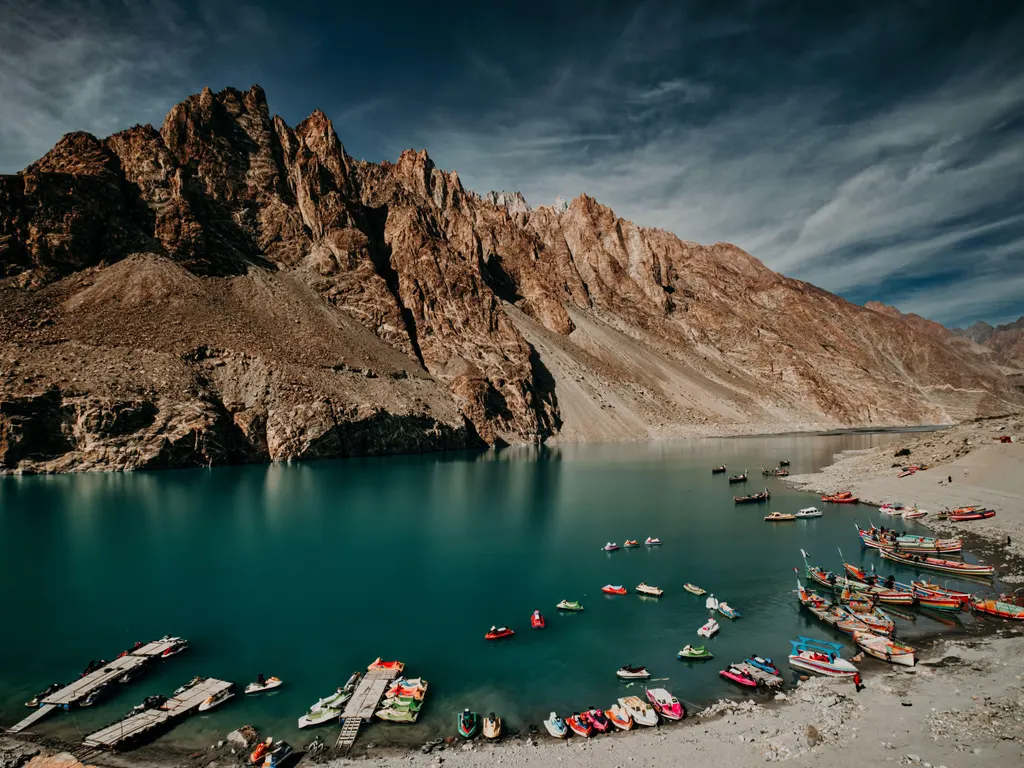
Attabad Lake
Place beside the Hunza attractions: Turquoise Attabad Lake surrounded by mountains in northern Pakistan

Skardu and Lower Kachura Lake
Place in the Skardu section: Lower Kachura Lake near Skardu in Gilgit Baltistan Pakistan

Lahore’s Mughal heritage
Place in the Lahore section: Badshahi Mosque and Mughal architecture in Lahore Pakistan

Islamabad
Place in the Islamabad section: Faisal Mosque with the Margalla Hills in Islamabad Pakistan

Mohenjo-daro
Place in the Sindh section: Ancient Indus Valley Civilization ruins at Mohenjo-daro in Sindh Pakistan

Balochistan’s natural landscapes
Place in the Balochistan section: Princess of Hope rock formation in Hingol National Park Balochistan Pakistan